20 Must-Know Interior Design Trends for Modern Homes in 2026
Discover 20 must-know interior design trends for modern homes in 2026. From natural materials to smart tech integration, transform your space with expert insights.
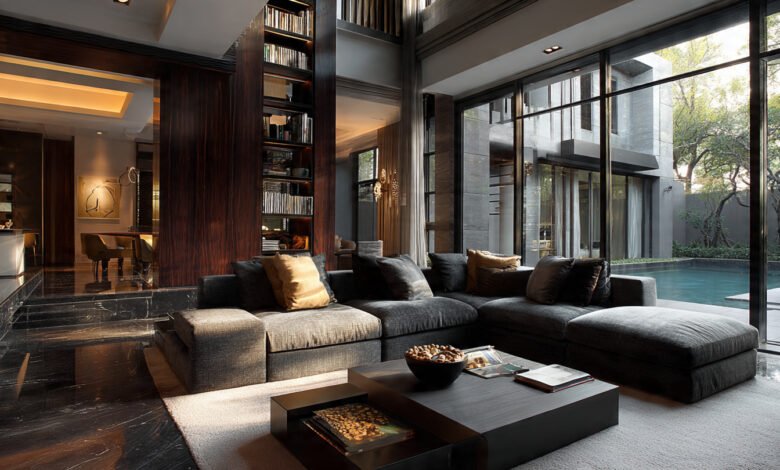
The world of interior design trends is shifting in fascinating ways as we move into 2026. If you’ve been scrolling through design Instagram or Pinterest lately, you’ve probably noticed something different happening. The stark white minimalism that dominated the past decade is giving way to spaces with warmth, personality, and actual soul. Modern homes are no longer about perfection—they’re about creating environments where people genuinely want to spend time.
Interior design trends 2026 represent a meaningful departure from what we’ve grown accustomed to. Designers and homeowners alike are rejecting cookie-cutter aesthetics in favor of spaces that tell stories, incorporate natural textures, and blend the old with the new. The focus has shifted from Instagram-worthy moments to everyday livability, from cold sterility to cozy comfort, and from mass-produced furniture to pieces with history and character.
This comprehensive guide explores the 20 most important design trends for modern homes that will define the coming year. Whether you’re planning a complete renovation, a simple refresh, or just want to understand where residential design is headed, these trends offer something for every style and budget. From the resurgence of terracotta tiles and sculptural lighting to the integration of smart technology and wellness-focused features, 2026 promises to be an exciting year for anyone passionate about creating beautiful, functional living spaces.
The Return of Natural Materials and Earthy Aesthetics
Terracotta Tiles Make a Major Comeback
One of the most significant interior design trends 2026 is the strong return of terracotta tile throughout modern homes. This ancient material is experiencing a renaissance as homeowners gravitate toward warmer, more grounded aesthetics. According to leading designers, terracotta offers that timeless, lived-in feel that stark modern materials simply can’t replicate.
The beauty of terracotta lies in its versatility. Today’s options include both authentic clay terracotta and porcelain lookalikes that come in fresh shapes and contemporary patterns. You’ll see these earthy materials appearing in:
- Kitchen backsplashes with geometric patterns
- Bathroom floors featuring herringbone layouts
- Outdoor patios and indoor-outdoor transition spaces
- Accent walls that bring warmth to living areas
The trend toward natural materials extends beyond terracotta. Designers are incorporating more wood, stone, clay, and other organic elements that age gracefully and develop character over time.
Natural Stone with Bold Movement and Drama
Natural stone has always been a design staple, but 2026 takes it to another level. The focus is on slabs with bold, organic veining and patterns that feel almost sculptural. These surfaces function as both practical materials and artistic statements, bringing drama and warmth to kitchens, bathrooms, and living spaces.
Stone like travertine, Patagonia-inspired slabs, and onyx with dramatic patterns are becoming centerpieces rather than backgrounds. Homeowners are choosing stone that makes a statement—pieces that feel unique and one-of-a-kind rather than safe and predictable. This connects to the broader movement away from generic design toward spaces with genuine personality.
Warmer Color Palettes Replace Cool Minimalism
Moody Interiors and Rich Color Drenching
The all-white aesthetic that defined the 2010s is officially retiring. Moody interiors with depth and atmosphere are taking center stage in modern homes 2026. Designers are embracing richer, more tactile finishes, and layering different shades to create spaces that actually evoke emotion when you walk through them.

Color drenching—painting walls, trim, and even ceilings in one cohesive shade—continues to gain momentum, but now it’s happening in colors like olive green, clay, mushroom, rust, and deep terracotta rather than safe neutrals. This technique creates immersive environments that feel intentional and curated without being overdone.
Popular color families for 2026 include:
- Warm terracotta and rust tones
- Deep forest greens and olive shades
- Clay and earthy browns
- Muted jewel tones like ochre and oxblood
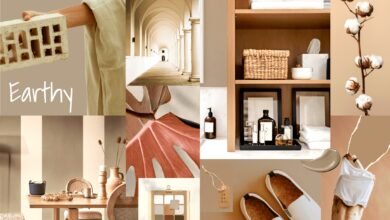
- Soft, sun-baked neutrals with warm undertones
Tonal Decorating for Sophisticated Cohesion
Tonal decorating is one of the more subtle yet impactful design trends 2026 offers. This approach involves layering varying strengths, tints, and temperatures of a single color throughout a room. The result is a space that feels pulled together without appearing over-styled or rigid.
Think sage green walls with olive accents and eucalyptus textiles, or rust-colored walls paired with peach accessories and terracotta ceramics. This technique works beautifully because it creates visual interest through subtle variation rather than stark contrast.
Texture and Tactility Take Center Stage
Layered Textures Replace Smooth Surfaces
Texture is becoming the foundation of how rooms are designed, not just an afterthought. Interior design trends 2026 emphasize mixing materials like velvet, wool, bouclé, rattan, and linen to create spaces that feel inviting and lived-in. The contrast between smooth and nubby, crisp and plush, is what creates depth in otherwise minimal rooms.
High-pile wool rugs anchor spaces, bouclé accent chairs add warmth without visual weight, and velvet upholstery brings a sense of luxury that feels approachable rather than stuffy. Even millwork and cabinetry are getting the textural treatment with fluted wood details, reeded panels, and unique cabinet profiles.
Fluted and Reeded Wood Details
Fluted wood detailing represents a fresh yet timeless architectural element that’s appearing throughout modern homes. This elevated detail works on kitchen islands, cabinet fronts, wall panels, and furniture pieces. There’s a sense of craftsmanship that gives basic silhouettes unexpected artistry.
According to Architectural Digest’s design trends coverage, these vertical grooves add dimension and visual interest while maintaining clean lines. The trend speaks to a broader desire for handcrafted elements and architectural details that elevate everyday surfaces.
Statement Pieces and Sculptural Elements
Oversized Mirrors as Functional Art
Statement mirrors are having a major moment in interior design 2026. We’re talking oversized, sculptural pieces with uniquely framed edges that bring depth, reflect light, and act as focal points in ways standard mirrors can’t achieve. Designers particularly love using these in living rooms, dining areas, and powder rooms to add that extra dimensional element.
Some mirrors feature frames made of twisted copper wire, broken ceramic shards, or irregular geometric shapes that trade symmetry for personality. While some designs lean rustic, many are decidedly fashion-forward with embedded LEDs or other contemporary touches.
Sculptural Lighting That Commands Attention
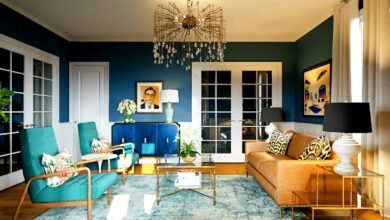
Lighting is becoming more tactile and artistic than ever before. Sculptural lighting fixtures made from aged brass, bronze, natural stone, alabaster, and travertine are replacing basic overhead options. These pieces function as art installations that happen to provide illumination.
Expect to see carved, etched, or hand-polished fittings that invite sensory connection beyond simple function. Frosted, textured, and smoked glass dominate, offering softly diffused light that evokes a nostalgic, vintage vibe while making smaller spaces feel calming and sophisticated.
Curves and Organic Shapes Return
Curved Furniture for Softer Spaces
After years of rigid, angular furniture dominating modern interiors, curved furniture is making a significant comeback. Designers are seeing requests for channel-tufted sofas, rounded dining chairs, kidney-shaped coffee tables, and arched mirrors. These organic forms soften circulation patterns and break up the visual monotony of rectilinear architecture.
Even countertop profiles are getting curvier, with designers opting for double bullnose edges and stepped profiles instead of standard square edges. In kitchen design, curved islands and rounded cabinet profiles are replacing the flat-panel aesthetic that felt standard for so long.
Sprawling Modular Sofas
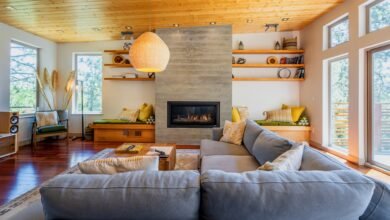
Large L-shaped and U-shaped modular sofas are dominating living rooms, satisfying the craving for total, unadulterated comfort. The genius of modern modular construction is that individual units fit through doorways upon delivery and can be moved around at will, adapting to changing needs without sacrificing size or comfort.
Smart Home Integration Meets Wellness Design
Technology That Actually Enhances Living
Smart home integration is one of the most practical design trends for modern homes in 2026. There are various levels of integration available, from simple thermostat upgrades to comprehensive systems controlling appliances, lighting, windows that open and close automatically, and privacy features activated with a button press.
The key difference now is that smart technology is being integrated thoughtfully rather than as an afterthought. Designers are building systems that support how people actually live, with considerations for:
- Circadian lighting that supports better sleep
- Air quality monitoring and improvement
- Energy-efficient climate control
- Security systems that feel seamless
- Entertainment systems built into architectural elements
Wellness-Focused Spaces and Biophilic Design
Wellness is no longer an add-on feature—it’s a guiding principle in modern home design. Homeowners are requesting dedicated spaces for meditation, home gyms with integrated saunas, and layouts that maximize natural light. Biophilic design—incorporating houseplants, organic textures, and sustainable finishes that blur the line between indoors and out—continues to flourish.
This trend connects directly to the growing awareness around mental and physical health. According to the American Institute of Architects, spaces designed with wellness in mind can significantly improve quality of life, reduce stress, and support healthier daily routines.
Decorative Flooring and Architectural Details
Patterned Flooring Makes a Statement
Flooring is getting significantly more decorative. Herringbone, chevron, and Versailles patterns are showing up frequently, especially in renovations where designers draw from classic architectural language. These details lend a sense of history and craftsmanship, even in newer construction.
Beyond traditional wood patterns, contemporary designers are experimenting with:
- Bold geometric tiles in entryways
- Mixed materials creating visual borders
- Statement rugs with saturated colors and offbeat geometry
- Concrete with embedded patterns or inlays
Crown Molding and Millwork Revival
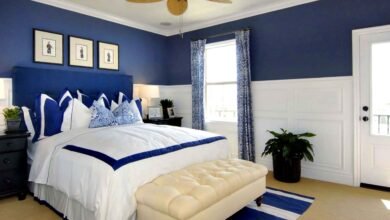
Architectural details like crown molding, chair rails, picture-frame molding, and wainscoting are experiencing a renaissance. A new generation of homeowners is rediscovering the beauty of detail, especially in newer construction that lacks these traditional elements.
The key is scaling appropriately. Designers recommend 2.5 to 6 inches of crown molding for standard 8-foot ceilings, often layering it with picture molding or deeper baseboard profiles to create hierarchy and proportion. The result is rooms that feel dressed and intentional rather than bare and builder-basic.
Modern Heritage and Collected Interiors
Mixing Antique and Contemporary Pieces
Modern heritage design is perhaps the defining style of 2026. This approach honors the past while designing for how people actually live today. It’s about preserving architectural soul while layering in contemporary comfort, expressive color, and personality.
The trend toward vintage furniture and antique pieces serves multiple purposes. First, it’s environmentally conscious—extending the life of well-crafted pieces reduces demand for mass-produced furniture. Second, it’s a shortcut to adding individuality. A collected space with pieces from different eras simply feels more interesting than a room where everything came from the same catalog.
Personal Collections Over Generic Styling
Highly personal collections are edging out generic staging. Plates picked up on holiday, colorful glass bottles, shells, vintage books, or even a collection of fridge magnets carry a specificity that mass decor can’t imitate. Grouping meaningful items together rather than scattering them amplifies this effect.
The broader message is clear: homes should tell your story, not a designer’s Instagram feed. This shift represents a rejection of spaces that feel overly staged, overly coordinated, and so polished there’s no room for real life.
Kitchen and Bathroom Trends
Mixed Metals and Lived-in Finishes
Kitchens are moving away from perfectly matched finishes. Designers are mixing materials intentionally—letting a stainless steel refrigerator sit beside vintage brass sconces, or pairing unlacquered brass cabinet pulls with oil-rubbed bronze faucets. This creates spaces that feel collected and soulful rather than showroom-stiff.
Tarnished silver is particularly fresh when paired with deep chocolate brown cabinetry. Living finishes like bronze and unlacquered brass that develop patina over time are preferred over finishes that fight natural aging.
Kitchens as Living Spaces
Kitchens are becoming true living spaces with extra-deep seating like lounge chairs positioned in front of fireplaces or large windows. The classic breakfast nook is evolving into something more substantial—spaces where families actually gather for hours, not just quick meals.
Cabinet hardware is also getting more ornate, with designers selecting pieces that feel like antique replicas. Mixing knobs and pulls rather than using all matching hardware creates visual interest and a less formulaic appearance.
Sustainable and Conscious Design Choices
Slow Design and Investment Pieces
Rising material costs and a backlash against fast furniture are driving the shift toward sustainable design and more conscious choices. Homeowners are investing in fewer, better-quality pieces that will last decades rather than buying trendy items that need replacing every few years.
This philosophy extends to choosing materials that age gracefully, furniture that can be reupholstered rather than discarded, and finishes that improve with use rather than degrade. It’s about building homes that will still feel relevant and beautiful in 10 or 20 years.
Handcrafted and Artisanal Elements
There’s renewed appreciation for handcrafted elements and artisanal work. Whether it’s hand-plastered walls, custom ceramic tiles, hand-woven textiles, or furniture made by local craftspeople, these pieces bring authenticity that machine-made items lack.
In a world dominated by mass production and artificial intelligence, having interiors that reflect individuality and human touch will be more celebrated than ever. Imperfections become features, not flaws.
Maximalism Meets Intention
Thoughtful Maximalism
While maximalism isn’t new, 2026 is making it more accessible. Even people who prefer neutral foundations are adding maximalist elements in minimal applications—a single bold wallpaper accent, an over-the-top light fixture, or a collection of vibrant artwork clustered on one wall.
The key is curation. Maximalism in 2026 isn’t about cramming every surface with objects. It’s about carefully selecting meaningful items and displaying them with intention.
Four-Poster Beds and Statement Furniture
Statement furniture pieces like four-poster beds (with or without canopies) are making a comeback. They add height, create a sense of a room-within-a-room, and provide an enveloping feeling that supports better sleep and relaxation.
Don’t rule out these classic pieces if your taste leans modern—contemporary versions suit any aesthetic while providing that sense of escape and luxury.
Practical Innovations and Easy Updates
Rechargeable Lighting Solutions
One of the most practical trends involves rechargeable lighting that eliminates unsightly cords and complicated installation. Rechargeable lamps and bulbs that slot into standard wall fixtures mean you can personalize your lighting without drilling or hiring an electrician.
Similarly, pre-primed light switches can be painted to match walls, while perspex versions show off wallpaper beneath—both options disguise the typical eyesore of mismatched switch plates.
Unique Framing and Matting
Professional-level framing is becoming accessible to everyone. Beyond traditional rectangular frames and white mats, designers are embracing colored mats, wiggly edges, zigzag borders, and unusual frame shapes that add personality to artwork and photographs without major investment.
This trend makes it easy to refresh old photos or affordable prints, giving them the custom treatment that elevates the entire space.
Conclusion
The interior design trends 2026 represent a meaningful shift toward warmth, authenticity, and intentional living. From the return of natural materials like terracotta and stone to the integration of smart home technology and wellness features, these trends prioritize how spaces make us feel over how they photograph. Modern homes are embracing curves over angles, texture over smoothness, collected pieces over matching sets, and moody atmospheres over stark brightness. The overarching message is clear: your home should tell your story, support your wellbeing, and evolve with you over time. Whether you incorporate vintage finds, invest in handcrafted elements, embrace bold color, or focus on sustainable choices, 2026 offers abundant opportunities to create spaces that feel genuinely personal and truly livable for years to come.